
1. The King of Wine Tours: Cricova & Milestii Mici
You cannot say you’ve visited Moldova without going underground. These are not just cellars; they are subterranean wine cities.
What to book: A half-day tour to Milestii Mici (home to the world’s largest gold collection of wine) or Cricova (the opulent, state-owned giant where Gagarin orbited post-drinking). Most tours bundle transport from Chișinău with a tasting and a traditional lunch.
Pro Tip: Milestii Mici requires you to drive underground (yes, in a car on wine roads). Book a tour that provides an SUV or van. For Cricova, dress with a jacket—it is a constant 12–14°C (54–57°F) underground.
Best for: Oenophiles and history buffs.
2. The “Time Capsule”: Transnistria
For the adventurous traveler, a day trip to the breakaway republic of Transnistria is surreal. You will step into a living Soviet museum where Lenin statues still stand and the fl ag features a hammer and sickle.
What to book: A private or small-group day tour from Chișinău to Tiraspol and Bender. A guide is legally mandatory for foreigners to navigate the border controls and local bureaucracy.
Pro Tip: Do not try to drive your rental car across the border—insurance is a nightmare. Take a guided minibus. Also, bring USD or Euros in cash (local “Transnistrian rubles” cannot be exchanged back to hard currency). Your guide will help you change money on the black market legally.
Best for: History nerds and photographers.
3. The Gagauz Cultural Immersion
South of Chișinău lies the autonomous region of Gagauzia, home to a Turkic, Orthodox Christian minority. This is rural, authentic, and largely untouched.
What to book: A full-day ethnographic tour visiting Comrat and the village of Beșalma. Most include a home-cooked meal (try gözleme fl atbread) and a visit to the bizarre but charming “Camelot” horse ranch or the local history museum.
Pro Tip: English is virtually non-existent outside the capital. A local Gagauzian guide is non-negotiable if you want to understand their complex identity. Ask your tour operator if they include a sacrifi cial lamb lunch (Kurban) for the full cultural experience.
Best for: Deep culture seekers and foodies.
4. The Monastery Trail: Old Orhei & Căpriana
For spirituality and stunning landscapes, head to the cliff-side monastic complex of Old Orhei (Orheiul Vechi) .
What to book: A half-day tour combining the cave monasteries carved into limestone cliffs, the small museum, and a stop at the rustic Eco-Resort Butuceni for a Moldovan platter ( mămăligă , brÞnză, and cold meats).
Pro Tip: Wear sturdy shoes. The hike down to the Răut River valley is slippery. Book a tour that starts early (9 AM) to beat the tour buses. Ask to stop at the Căpriana Monastery on the way back—it’s quieter and has beautiful gardens.
Best for: Nature lovers and pilgrims.
5. Craft & Urban Chișinău
Don’t neglect the capital. While it’s walkable, a guided walking or e-scooter tour gives you context on the Stalinist architecture and the recent “Wine Revolution.”
What to book: A “Soviet Modernism” architectural walk or a craft beer and street art tour. Look for operators like Moldova Tours or Local Host who offer half-day urban experiences ending at a rooftop bar.
Pro Tip: Ask your guide to show you the “hidden courtyards” of the ștefan cel Mare Boulevard—they contain murals, hidden wine bars, and playgrounds from the 1970s.
Best for: City explorers and Instagrammers.
Top Tips for Getting the Best Out of Your Visit
1. Book Directly with Local Guides (Not Viator)
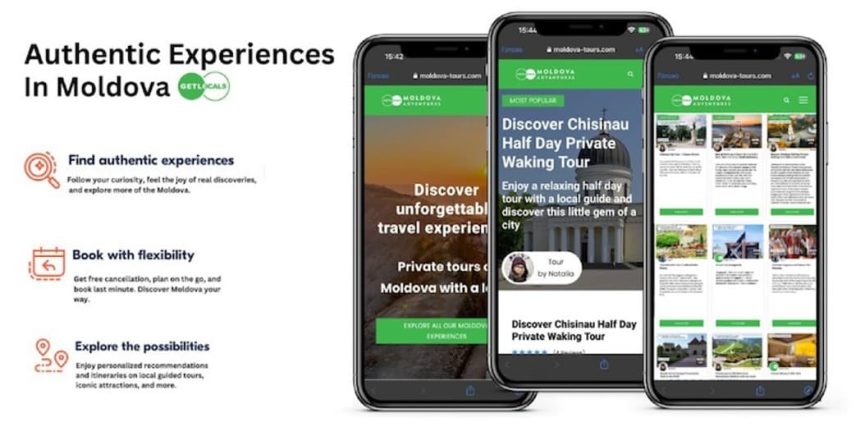
Agencies like Moldova Travel, Happy Travel Moldova, and Discover Moldova offer better rates and fl exibility than international resellers. WhatsApp is king here—message them directly.
2. Timing is Everything
Wine season: Late September to early October (Harvest time). You’ll see grape stomping.
Avoid August: It is sweltering (35°C+) and the wine cellars become humid.
Weekend strategy: Cricova and Milestii Mici are packed on Saturdays. Book a Monday or Tuesday tour for a private experience.
3. The Language Loophole
While many young guides speak fl uent English, older van drivers do not. Always confi rm that the tour guide (not just the driver) speaks your language. If you speak Romanian, Russian, or even basic French (older generation), you will get VIP treatment.
4. Payment Realities
Moldova is a cash-fi rst society for tips and small vendors, but tour operators usually take cards. Pro tip: Bring crisp, new USD or Euros. If your dollars have a single tear or pen mark, no bank or exchange booth will accept them. ATMs in Chișinău are reliable; outside the capital, they are not.
5. The Tipping Policy
Tipping is not mandatory but highly appreciated (10% for excellent service). Unlike in the US, hand the tip directly to the guide—do not leave it with the reception or driver.
6. What to Pack for a Tour Day
A corkscrew (ironically, hotel rooms rarely have them for the free wine you buy).
A reusable water bottle (tap water is safe in Chișinău, but bring bottled for rural areas).
Modest clothing for monasteries (cover shoulders and knees).
Your passport (for Transnistria and border checks on the way to Gagauzia).
7. The “Masa” Expectation
Almost every full-day tour ends with a massive, multi-hour lunch ( masa ). Do not plan anything energetic afterward. Politely decline the fourth shot of divin (Moldovan brandy) if you want to last the day.
Final Verdict
The best tour for you depends on your curiosity. If you drink wine, do Milestii Mici. If you crave history, do Transnistria. But the truly best move? Stay four nights and book three half-day tours (Wine, Old Orhei, City) plus one full-day (Gagauzia or Transnistria). Let a local drive the pot-holed roads while you stare out the window at sunfl ower fi elds as far as the eye can see. That is the Moldovan magic no map can show you.
Good luck with your guided tours in Chisinau