
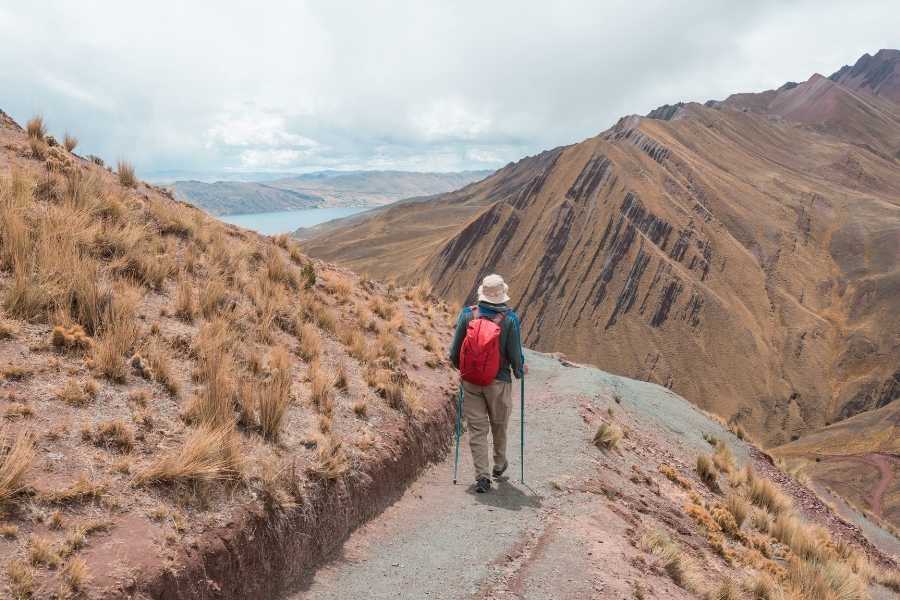
Stepping into the great outdoors for a long adventure is like opening a door to a new world. You might dream of misty peaks or golden forest trails. Before you set foot on that path, think about your feet and your back. Preparing for your First Trek is an exciting rite of passage. It is a physical dialogue between you and nature. Your gear acts as the essential bridge for this journey.
Many beginners make the mistake of overpacking or choosing stylish but weak items. Success on the trail is about the quality of specific items. These protect you from the harsh elements. When you are miles from a road, equipment is your mobile home. It is your primary safety net. Let us dive into the fundamental pieces of kit. These will transform your journey into a triumph.
Choosing the Foundation with the Best Hiking Boots for Long Distance Trekking
Your feet are the literal engines of your journey. Treat them with total respect. Investing in the best hiking boots for long distance trekking is a critical decision. You need a pair that offers perfect ankle support. Look for deep lugged soles for traction. A breathable waterproof membrane keeps your toes dry. Explore these trekking adventures in South America to see why quality footwear matters most.
When you are out on your First Trek, pack weight pushes on your joints. High-quality hiking boots provide vital structural integrity. They prevent rolled ankles during long afternoon miles. Your footwear should feel like a natural extension of your body. It should not be a heavy anchor dragging you down.
Finding the right fit involves more than checking your standard shoe size. Ensure there is enough room for your toes to wiggle. Your heel must remain locked firmly in place. This ensures blister prevention is managed from the very start. Never take brand-new boots directly onto a multi-day trail. Break them in thoroughly around your neighborhood first.
| Feature | Importance Level | Why It Matters |
| Waterproofing | Critical | Keeps feet dry to prevent painful issues and cold. |
| Ankle Support | High | Protects against sprains on rocky or root-filled paths. |
| Sole Grip | High | Prevents slipping on wet grass, mud, or loose rocks. |
Finding Your Perfect Carry by Asking What Size Backpack Do I Need for a Week Trek
You must consider how to carry your life on your shoulders. Do not let a heavy bag crush your spirit. A common question is what size backpack do I need for a week trek. The answer usually lies between 50 and 70 liters. This volume holds your tent, food, and clothing. It helps you stay disciplined about what you need. These packs are perfect for ultimate trekking destinations in the Himalayas or local hills.
A great backpack is defined by its suspension system. It should transfer weight from your shoulders to your hips. Modern designs feature adjustable torso lengths and padded belts. These make a heavy load feel surprisingly manageable. For your First Trek, look for multiple access points. You won’t have to empty everything to find a snack.
The way you pack your bag is very important. An unbalanced load can pull you off center. Keep heavy items like food close to your spine. Place them in the middle of the bag. This maintains your natural center of gravity. Most high-quality packs include an integrated rain cover. This is a vital feature for protecting your gear.
| Capacity | Duration | Best Use Case |
| 30-45 Liters | 1-3 Nights | Ultralight weekends or hut-to-hut trekking. |
| 50-65 Liters | 4-7 Nights | Standard self-sustained multi-day adventures. |
| 70+ Liters | 7+ Nights | Winter expeditions or carrying gear for others. |
Learning How to Choose Trekking Poles for Mountain Trails for Better Balance
Walking sticks are not only for older hikers. They are a total game-changer for your First Trek. Knowing how to choose trekking poles for mountain trails saves your knees. They reduce thousands of pounds of pressure on descents. They provide stability on slippery river crossings.
When selecting trekking poles, look for lightweight aluminum models. Choose comfortable cork or foam grips to avoid chafing. Adjustable flick-lock mechanisms are generally more reliable than twist-locks. They work better when your hands are cold. Using these tools allows you to engage your upper body. It spreads the physical workload across your entire frame.
Staying Dry and Warm with a Reliable Waterproof Jacket and Base Layers
Nature does not care about your holiday schedule. A sudden downpour can be dangerous if you are unprepared. A high-performance waterproof jacket is your primary shield. It acts as a breathable barrier against wind and rain. Look for hardshell options with taped seams. A stiff hood brim prevents water from dripping into your eyes.
Underneath that shell, your base layers do the work. Merino wool is the gold standard for outdoor fans. Unlike cotton, this natural fiber stays warm when wet. It also has incredible odor-resistant properties for long days. For a successful First Trek, layering is the secret. It allows you to adjust your temperature easily.
Rest and Recovery Using a Quality Sleeping Bag and Lighting Solutions
Your body requires deep sleep to repair tired muscles. This keeps your morale high for the next morning. A high-quality sleeping bag is a non-negotiable item. Check the temperature rating for your specific destination. This is an essential gear checklist for first time trekkers priority. Choose down for warmth or synthetic for damp conditions.
Once the sun sets, the wilderness becomes very dark. A reliable headlamp is superior to a handheld flashlight. It keeps your hands free for cooking or pitching tents. Always carry extra batteries in your pack. Opt for a model with a red light mode. This preserves your night vision during late-night chats.
| Gear Item | Key Benefit | Pro Tip |
| Sleeping Bag | Thermal Recovery | Use a liner to keep the interior clean. |
| Headlamp | Hands-free Safety | Use the lock feature to save battery life. |
| Merino Wool | Climate Control | It works for socks to help with blister prevention. |
Preparation is the silent partner of every great adventurer. The right tools turn a challenge into manageable steps. Your First Trek is just the beginning of a journey. Give yourself the best start possible with quality gear. Test everything before you leave your home. Remember that the best view follows the hardest climb.
Frequently Asked Questions about First Trek
How can I ensure total blister prevention during my first long walk?
Keep your feet dry and reduce friction with merino wool socks. Apply specialized tape to hot spots immediately. Do not wait for a blister to form.
What is the most common mistake people make on their First Trek?
Most beginners tend to overpack heavy items they never use. Focus on the essential gear checklist for first time trekkers. Every extra pound causes unnecessary exhaustion.
Is it really necessary to buy expensive trekking poles?
You do not need the most expensive carbon models. However, adjustable trekking poles are highly recommended for safety. They reduce joint impact and provide crucial balance.