
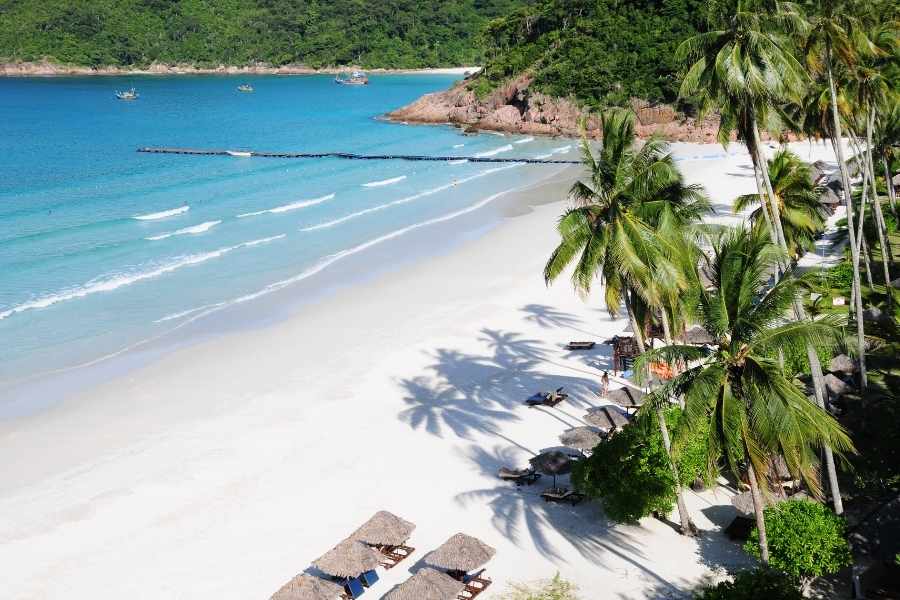
Private island resorts offer the ultimate tropical escape. You step off a seaplane onto pure white sand. No crowds exist here to disturb your peace. But does this luxury justify the massive price tag? Let us dive into the actual value of total isolation.
Every single item must arrive by boat or plane. This complex logistics network drives up the baseline cost. Guests essentially fund a tiny, self-sustaining luxury state.
Breaking Down the Premium Package
These premium vacation packages bundle multiple high-end services together. You receive a three-to-one staff ratio for ultimate pampering. Private chefs and dedicated dive masters handle your daily schedule. Advanced solar grids and desalination systems run quietly behind the scenes. The high price reflects this massive operational machinery.
Weighing the Pros and Cons of Private Island Resorts
Every paradise has its unique limits and challenges. You must weigh the incredible highlights against the structural downsides. Our tropical island getaways analysis explores these complex factors in depth.
For specific travelers, the absolute tranquility justifies the bill. For others, the geographic isolation might feel restrictive after three days.
The Unmatched Benefits of Absolute Seclusion
The biggest asset here is total, guaranteed privacy. High-profile individuals can walk the beach completely free from public scrutiny. The surrounding ocean serves as your permanent security wall. This high level of exclusivity allows for deep mental recovery. Standard mainland hotels simply cannot match this specific atmospheric control.
The Potential Drawbacks to Consider
However, remote tropical islands face real environmental challenges. Sudden tropical storms can delay your private aviation transfers. Your dining choices depend entirely on the on-site culinary team. You cannot walk outside to find a local village bistro. The physical isolation shapes every part of your daily experience.

Calculating the True Value of the Experience
The ultimate value goes far beyond room square footage. You must measure the deep emotional return on your investment. Couples seeking secluded options often view these destinations as the ultimate romantic island escapes for milestones.
Recent data from luxury hospitality reports shows a twenty-five percent increase in remote travel demand. Wealthy travelers now prioritize personal space over traditional city luxury destinations.
Modern luxury focuses heavily on controlling your time and environment. True wealth means choosing exactly who shares your physical space.
The Power of Bespoke Pampering
The personalized service creates a completely unique emotional experience.
Your personal host tracks your individual preferences seamlessly. A favorite fresh dessert appears without you ever asking. The entire island schedule bends to your natural rhythm. You can swim at dawn or enjoy breakfast at midnight.
Is Staying on a Private Island Worth It?
The final answer depends on your specific holiday goals. If you want city shopping and busy local markets, choose elsewhere. The high fees will feel like a poor use of capital. But if you need complete restoration, the investment is unmatched. You are buying freedom from modern noise.
FAQ
Are private island resorts safe during severe tropical weather events?
Yes, these properties use highly reinforced structures built for storms. They maintain independent power grids and clear evacuation protocols with aviation partners. Guest safety remains the top operational priority during weather shifts.
Can these exclusive resorts accommodate specific dietary restrictions given their remote locations?
Absolutely, culinary teams customize every meal for your needs. Guests submit detailed profiles weeks before arrival on the island. The chefs fly in specialized ingredients to cover all allergies.
What is the minimum recommended stay to fully appreciate an isolated island vacation?
Travel specialists suggest staying five to seven nights minimum. This gives your body time to adjust to the remote environment. It also provides a smart buffer against unexpected flight delays.