
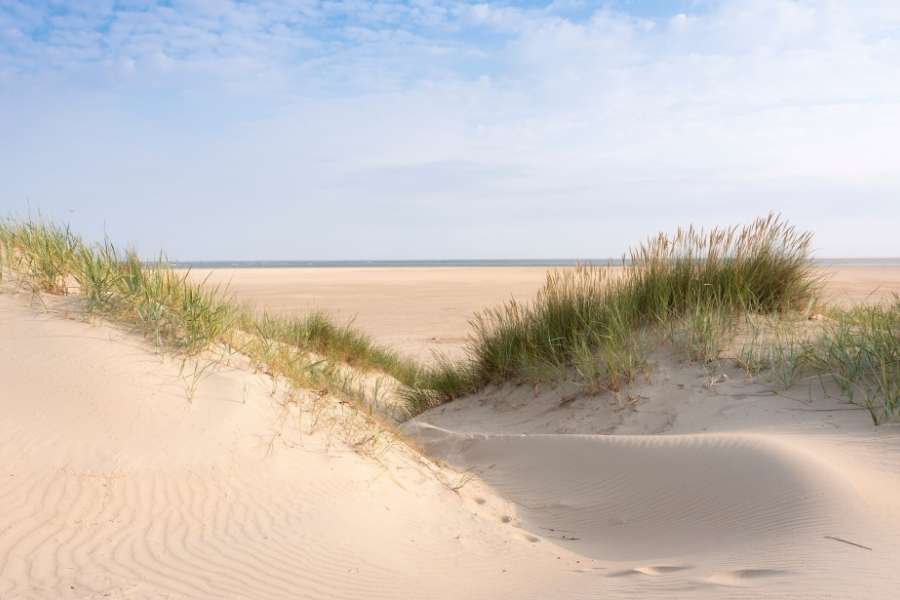
Standing atop massive golden ridges feels like visiting another planet. The endless horizon looks incredible. However, the wilderness can turn dangerous in seconds. Extreme heat and shifting sands present severe hazards. Preparation is your best defense against these risks. Exploring remote sand dunes requires deep respect for nature. You need clear planning and the right mindset. Here are five vital rules to keep you safe on your journey.
1. Always Bring Redundant Navigation Tools and Satellite Gear
Cellular networks vanish quickly once you leave paved roads behind. Signal towers do not cover deep dune fields. Wind constantly reshapes the terrain and erases tracks. Visual landmarks can disappear in blowing sand. You must never rely on a single device for orientation when exploring the majestic deserts of the world.
Modern smartphones are convenient for tracking paths. That is why offline navigation apps are vital for desert trips. However, phone batteries drain quickly in intense heat. Lithium batteries can overheat and shut down without warning. You must carry physical backups for your digital screens.
Always pack reliable navigation tools on every trek. Bring a magnetic compass and a topographic paper map. Learn how to read terrain features before you travel. Pair your manual tools with a handheld GPS unit. Carry spare batteries in a cool, insulated pouch.
A personal satellite communicator is essential for true wilderness safety. These devices send distress signals directly to emergency networks. They work anywhere on Earth without cellular towers. You can send text messages to rescuers during emergencies. Never enter isolated desert areas without one.
| Navigation Tool | Primary Function | Power Requirement |
|---|---|---|
| Satellite Communicator | Emergency SOS and two-way messaging | Rechargeable battery |
| Handheld GPS | Accurate location tracking | AA or rechargeable batteries |
| Magnetic Compass | Basic direction finding | None required |
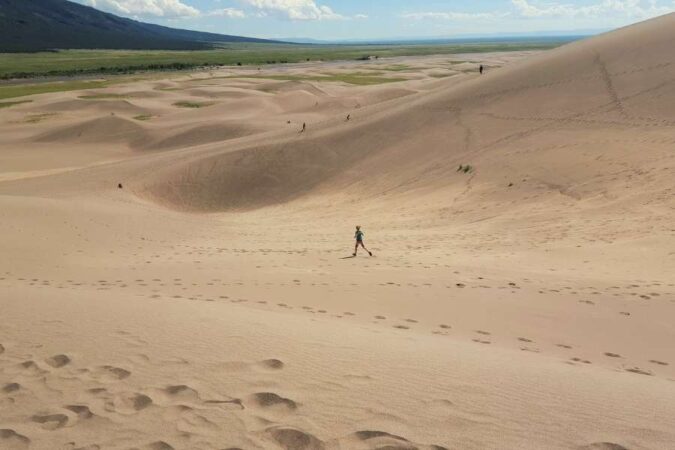
2. Follow a Strict Hydration and Sun Protection Strategy
Desert air absorbs moisture from your body extremely fast. Sweating cools you down, but you lose fluid rapidly. You might not notice fluid loss due to quick evaporation. Dehydration leads to confusion, fatigue, and severe organ stress. Proactive drinking habits keep your body functioning properly. This is especially true if you plan an adventure in the Sahara desert or other arid zones.
Carry at least five liters of clean water per person daily. Add extra water reserves inside your vehicle for unexpected delays. Drink regular small amounts throughout the entire trip. Do not wait until your throat feels dry. Thirst indicates that dehydration has already begun.
Water alone is not enough during long outdoor exposure. Sweating drains essential minerals and salts from your body. Mix electrolyte powders into your drinking water regularly. This balance prevents hyponatremia and maintains muscle function. Smart drinking habits build the core of travel safety.
Extreme heat can trigger life-threatening conditions quickly. Learning how to prevent heat stroke during long desert hikes protects your group. Practice active sun stroke prevention by wearing protective clothing. Choose loose, light-colored garments that cover your skin fully. Rest in shaded spots during peak afternoon heat hours.
Crucial Warning: Never ration your water supply while walking in extreme heat. Drink when you need fluid. Saving water while suffering from severe dehydration increases heat illness risks dramatically.
3. Prepare an Emergency Plan and Pack Survival Gear
Never start a desert expedition without sharing your details first. Create a complete trip itinerary before leaving home. Give this document to a trustworthy person who stays behind. They will monitor your progress from home base.
Your written emergency plan must outline your precise route. List vehicle details, parking locations, and expected return times. Set a strict deadline for your final check-in call. Instruct your contact to call rescue services if you miss that deadline. Fast response times save lives during search operations.
Proper gear helps you survive unexpected night delays in wild areas. Packing survival basics protects you against severe temperature drops. Desert nights can become surprisingly cold very fast. Always pack protective items regardless of daytime weather forecasts.
Assemble the essential emergency gear to carry in remote areas inside your backpack. Check every piece of equipment before starting your hike. Small items often make the biggest difference in severe crisis situations.
- A high-decibel whistle and a reflective signal mirror.
- A compact thermal bivvy sack for cold nights.
- A fully stocked first-aid kit with burn dressings.
- A high-lumen headlamp with extra lithium batteries.
| Survival Gear Item | Primary Use Case | Survival Value |
|---|---|---|
| Signal Mirror | Long-distance visual signaling | High visibility in bright sunlight |
| Thermal Bivvy Sack | Body heat retention at night | Prevents dangerous hypothermia |
| Loud Whistle | Acoustic distress signaling | Sound carries across open valleys |
4. Master Visual Landmarks and Manual Compass Navigation
Digital screens can fail when dropped on hard ground. High temperatures can also shut down complex electronic devices. You must maintain spatial awareness without relying on battery screens. Physical orientation skills ensure continuous desert safety.
Solid compass navigation allows you to walk in straight lines. Sand dunes shift under strong wind forces continuously. However, large rock towers and mountain peaks remain fixed. Identify permanent geological features around your location constantly.
Before walking away from your base, take a clear bearing. Aim your magnetic compass toward a prominent distant rock formation. Write down the exact degree number in a notebook. Calculate the reverse heading immediately for your return journey.
Check your bearing frequently while crossing shifting sand slopes. Dune crests can easily trick your visual perception. Walking in circles is a common mistake on smooth sand slopes. Your compass will keep you moving along the correct trajectory.
5. Know What to Do If You Get Lost in the Desert Dunes
Getting disoriented in massive dune fields creates strong panic. Uncontrolled fear leads to poor choices and rapid exhaustion. Staying calm is your most important tool during a crisis. Stop walking the moment you realize you lost your route.
Understanding what to do if you get lost in the desert dunes keeps you alive. Memorize the classic S.T.O.P. framework before setting out:
- S – Sit down: Stop moving immediately to save energy.
- T – Think: Review your map and recent memory calmly.
- O – Observe: Look for footprints, tracks, or known landmarks.
- P – Plan: Create a logical strategy before taking action.
If you are lost with a vehicle, stay near it. A car is much easier to spot from rescue aircraft. Raise the hood to signal trouble to distant observers. Seek shade underneath tarps attached to the vehicle body.
Never walk away into open sand without a confirmed destination. Wandering across dunes drains energy and accelerates fluid loss. Rescuers search your last known coordinates first. Remaining stationary dramatically increases your chances of being rescued.
| Crisis Scenario | Immediate Recommended Action | Dangerous Hazard to Avoid |
|---|---|---|
| Vehicle Breakdown | Stay near the vehicle structure | Walking away in peak afternoon sun |
| Disoriented Foot Hiker | Sit down, seek shade, use signal gear | Wandering aimlessly across sand ridges |
| Heat Exhaustion | Rest, sip electrolytes, cool body skin | Pushing through fatigue without rest |
FAQ
Why is walking on sand dunes harder than standard hiking?
Soft sand yields under your weight with every step. You use more energy compared to walking on firm trail dirt. Shifting sand also lacks marked paths and stable footing.
How much extra water should I bring for desert trips?
Carry five liters per person for each day planned. Pack a full extra day of water inside your vehicle. This reserve protects you during unexpected breakdown delays.
Do offline phone maps work without cellular service?
Yes, GPS chips work independently of cell networks. You must download map files before entering remote areas. Bring a power bank because heat drains phone batteries rapidly.
Proper preparation turns dangerous desert environments into rewarding wilderness adventures. Respecting nature keeps you safe on shifting sands. Pack redundant navigation tools, monitor hydration, and leave clear emergency plans. Knowing proper survival steps gives you confidence during every trip. Prioritize safety, stay hydrated, and enjoy your journey across exploring remote sand dunes.
