
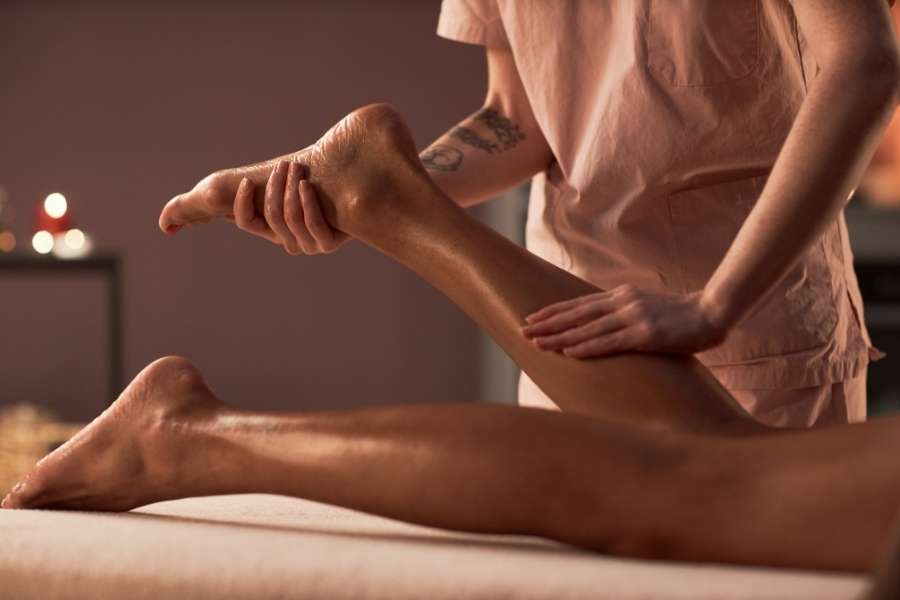
Ever feel like your body carries heavy bricks on your shoulders? Daily stress, long desk hours, and tough workouts build up intense tension. You do not have to live with nagging aches. Knowing how often to get a massage unlocks long-term relief, boosts your energy, and stops pain before it takes over your daily life.
Soft tissue therapy works best when you turn it into a consistent habit. Spacing out your visits depends on your physical activity, stress levels, and pain history. Let us break down the ideal timing for your personal lifestyle.
Understanding Muscular Strain and Tissue Repair
Your muscles adapt to every movement you make throughout the day. Sitting at a desk contracts specific muscle groups for hours. This uneven pressure limits healthy blood flow and forms tight tissue knots. Incorporating holistic treatments like an aromatherapy massage with essential oils can deeply soothe the nervous system while accelerating tissue recovery.
Regular therapy stretches contracted fibers and restores normal circulation. Fresh blood delivers oxygen directly to tired tissues. It also flushes out metabolic waste that accumulates during long workdays.
Listening to your body prevents mild tightness from turning into severe injury. Do not wait for complete immobility before taking action. Early manual intervention saves you from weeks of agonizing recovery.
Early Warning Signals You Should Not Ignore
- Persistent shoulder tightness that lingers after a full night of sleep.
- Tension headaches starting at the base of your skull after computer work.
- Decreased flexibility when bending down or reaching overhead.
- Slow recovery and lingering soreness after normal workouts.
| Physical Need | Recommended Routine | Primary Wellness Objective |
| Active Pain Management | Every 1 to 2 weeks | Calming nerve irritation and softening tight tissue |
| High Athletic Demands | Every 1 to 3 weeks | Accelerating tissue repair and restoring flexibility |
| General Maintenance | Every 3 to 4 weeks | Preventing muscle imbalance and managing stress |

Customizing Your Routine Based on Personal Activity
Every person requires a distinct treatment schedule based on physical strain. A marathon runner needs a completely different strategy than a full-time desk worker. Visiting the best spas and wellness retreats ensures you receive tailored expert care designed for your specific needs. Matching your care to your routine yields the best results.
If you struggle with constant discomfort, early consistency is vital. One single session will not undo years of postural strain. Regular sessions retrain tight muscles to relax at their natural length.
Over time, you can space out your sessions for routine care. You transition from reactive emergency care to proactive health maintenance. This steady approach prevents sudden pain flare-ups completely.
Managing Continuous Discomfort and Spinal Strain
Dealing with ongoing pain requires sessions every one to two weeks. Severe tightness traps nearby nerves in a continuous cycle of spasms. Frequent manual work breaks this pattern by releasing deep muscular tension.
Many people ask how often to get a massage for back pain when basic stretching fails. Bi-weekly care lets your therapist work deeper without irritating your nervous system. Once your back stabilizes, monthly visits keep your spine comfortable.
Combining bodywork with active rehabilitation speeds up overall physical recovery. Softening tight tissues allows joints to move without structural restriction. This multi-step approach restores your full mobility faster.
Coordinating Care with Rehabilitation Therapies
- Combining manual release with physical therapy restores full joint motion faster.
- Relaxing tight muscles prevents compensatory movements that cause unexpected injuries.
- Targeted tissue work reduces local inflammation around strained joints.
- Focused session pressure delivers efficient knots release to restricted movement zones.
Boosting Athletic Performance and Muscle Recovery
Athletes place severe physical demands on their muscles during training sessions. High-intensity workouts cause tiny microscopic tears within muscle fibers. Proper recovery stops these small strains from escalating into serious tears.
Integrating regular bodywork into your routine speeds up structural tissue repair. Increased blood flow supplies vital nutrients to overworked tissues quickly. This keeps muscle fibers elastic and ready for your next workout.
Timing your sessions around competitions protects your physical power. Deep tissue work right before an event can leave muscles feeling temporarily weak. Knowing when to book a sports massage ensures peak strength on game day.
Optimizing Recovery Timelines for Athletes
Training heavily four times a week requires bodywork every two weeks. This steady frequency catches tightness before it alters your natural stride or form. It keeps your tissues flexible under heavy strength loads.
Finding the best massage frequency for muscle recovery depends on your current training volume. Intense training phases require bi-weekly care to protect muscle fibers. Light taper weeks call for gentler sessions to calm your nervous system.
A specialized sports massage addresses strain patterns unique to your chosen sport. Runners target tight hip flexors while swimmers focus on upper back tightness. Custom care keeps your movement smooth and powerful.
| Training Volume | Recommended Care Pattern | Primary Athletic Focus |
| Heavy (10+ hours/week) | Every 1 to 2 weeks | Deep tissue repair and nervous system recovery |
| Moderate (4 to 7 hours/week) | Every 2 to 3 weeks | Maintaining tissue elasticity and flexibility |
| Light / Recreational | Every 4 weeks | General muscle maintenance and tension relief |
Maintaining Long-Term Alignment and Body Resilience
Modern daily life subjects your body to constant, subtle physical stress. Looking down at phones and sitting in rigid chairs pulls your frame out of balance. These simple daily habits gradually cause painful structural tightness.
Monthly visits reset your physical frame and calm your hyperactive nervous system. Regular care prevents minor tightness from turning into permanent postural shifts. It lowers stress hormones that cause chronic muscular tension.
Committing to routine care gives you full control over your physical health. Treating bodywork as maintenance keeps your joints moving without pain. Consistency ensures long-term comfort through every stage of life.
Catching Physical Warning Signs Early
- Rounded shoulders or a forward head position during screen time.
- Constant physical restlessness while trying to sleep at night.
- Subtle signs you need professional bodywork like reduced joint range.
- Heavy stress mounting across your jaw, neck, and upper shoulders.
Maintaining good posture alignment requires balance between opposing muscle groups. Tight chest muscles pull shoulders forward, straining your back muscles constantly. Releasing anterior tissues allows your spine to stay upright naturally.
Systemic tension contributes heavily to long-term chronic pain cycles. Persistent tightness traps metabolic waste products, aggravating surrounding nerve pathways continuously. Routine manual therapy breaks this cycle by driving healthy circulation.
Finding your ideal session frequency creates a solid foundation for daily vitality. Tailoring your schedule keeps your muscles feeling flexible, strong, and pain-free. Invest in regular bodywork now to enjoy free, comfortable movement for years.
Frequently Asked Questions
How often should I get a massage if I sit at a desk all day?
Book a session every 3 to 4 weeks. This schedule prevents desk-related tightness, eases neck strain, and keeps your posture aligned.
Can receiving bodywork too frequently cause muscle soreness or damage?
Yes, excessive deep tissue therapy without rest causes localized inflammation and lingering soreness. Give your tissues several days to recover between aggressive sessions.
Is a monthly schedule sufficient for general health maintenance?
Yes, a monthly visit works great for overall wellness. It releases baseline stress, preserves flexibility, and catches minor tightness early.
How soon after an intense athletic event should I book a session?
Wait 24 to 48 hours after heavy events before getting deep tissue work. Immediate deep pressure can aggravate acutely inflamed muscles.
What should I do after my session to maximize the physical benefits?
Drink plenty of water, do light stretching, and avoid heavy exercise for 24 hours. Rest allows your nervous system to adapt to tension release.
Listening to your body is the key to lasting pain relief. A personalized care schedule keeps your muscles flexible, balanced, and resilient. Prioritize your physical maintenance today to live a comfortable, active, and pain-free life.