
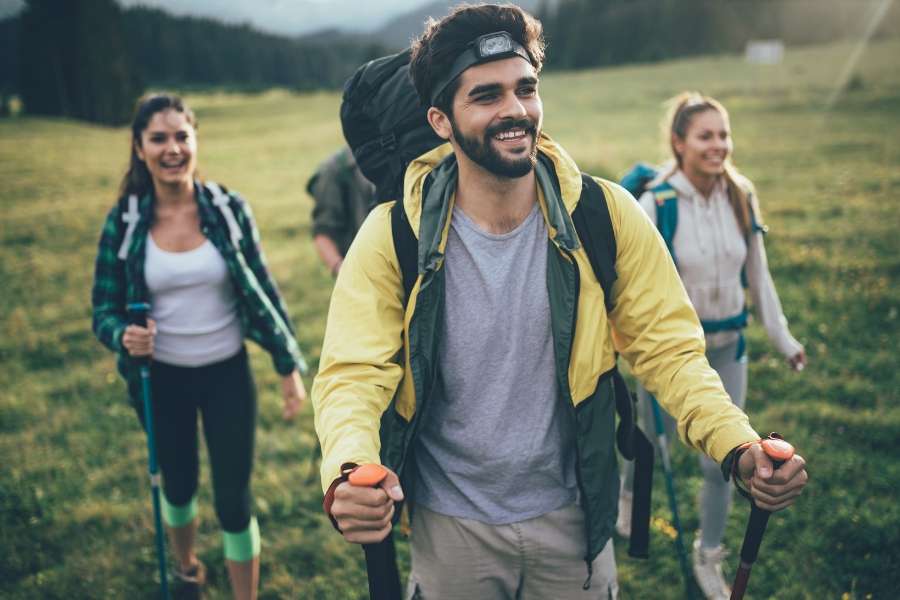
A landmark may draw you to a country, but the details around it often make the journey memorable: a neighborhood market opening at dawn, a local guide explaining a landscape’s seasonal changes, or a quiet path away from the busiest viewpoint. Seeing more than the headline attractions takes a little planning and a willingness to travel at a slower pace. It can also help visitors connect with local culture and nature in a more respectful way.
Look Beyond the Best-Known Attractions
Popular sights are popular for good reason, and there is no need to avoid them. The key is to build an itinerary that leaves room for places and experiences beyond the familiar shortlist. Before travelling, look at a destination by region or neighborhood rather than simply collecting famous names. A museum, walking route, craft district, or protected landscape nearby may add context to a major attraction.
Use maps to understand how long journeys actually take. A place that looks close on a screen may require a bus connection, a ferry, or a steep walk. Grouping nearby activities can reduce travel time and leave more opportunity to explore on foot. If you have several days, consider spending a night outside the main city rather than making every trip a rushed day excursion.
Build Your Trip Around Local Rhythms
Daily routines vary from place to place. Markets may be liveliest early in the morning, while some museums or religious sites have limited opening hours. In hot regions, outdoor activities are often more comfortable before midday or later in the afternoon. Check local calendars, opening times, and transport schedules before setting a fixed plan.
Seasonality matters, too. A coastal town may feel very different during a holiday period than in the quieter shoulder season. In rural areas, harvests, migration patterns, and weather can shape what visitors can see. Ask local accommodation hosts or visitor information staff what is happening during your dates. Their advice can reveal small events and seasonal experiences that are easy to miss in general travel guides.
Choose Experiences That Support Local Communities
Look for tours and activities led by people with a strong connection to the place. A knowledgeable local guide can explain the history behind a building or the ecology of a trail, adding meaning that a quick photo stop cannot provide. For cultural experiences, seek clear information about who leads the activity, how local participants are involved, and whether photography is welcome.
Buying food, crafts, and services from local businesses can help keep more visitor spending in the destination. A family-run restaurant or a small workshop may offer a more personal experience than a standardized attraction. Be thoughtful when bargaining: in some settings it is customary, but a small saving for a visitor may matter more to the person selling the item. Ask permission before photographing people, homes, or ceremonies, and respect a refusal without argument.
Explore Nature With Care
Natural areas are not simply scenic backdrops; they are habitats and, often, working landscapes. Follow marked routes, take rubbish away with you, and avoid feeding or approaching wildlife. Keep a respectful distance even when animals appear accustomed to visitors. On beaches and reefs, use only permitted access points and avoid touching coral or disturbing nesting areas.
Before booking an outdoor excursion, check what it involves and whether the operator follows local conservation rules. Group size, noise, vehicle use, and wildlife viewing practices can all affect a sensitive site. Carrying reusable water bottles and choosing public transport where practical are simple ways to reduce the footprint of a trip. In remote places, plan for weather and limited services rather than assuming help or supplies will be close at hand.
Use Travel Information With a Critical Eye
Online articles can help with initial ideas, but details change. Confirm current entry requirements, transport routes, opening hours, and access restrictions through reliable, up-to-date sources before departure. Read several perspectives, particularly when a recommendation involves a fragile natural area or a community with a complicated history. Recent local reporting may explain conditions that older travel guides do not mention.
Travel writers and destination organizations also have a role in sharing useful, accurate information. Those looking for suitable news and media outlets can explore news and media publishing options when they want to place a timely story about a destination. The most helpful articles offer practical context, acknowledge local perspectives, and avoid presenting a community or landscape as merely a backdrop for visitors.
Plan Content Without Losing Quality
For tourism publishers managing multiple destinations, regular updates can be useful: seasonal advice, itinerary ideas, cultural explainers, and nature guides all answer different reader questions. But producing a large volume of material does not help if the information is repetitive or poorly checked. A clear brief, a realistic schedule, and a consistent review process make it easier to keep articles accurate and readable.
Teams considering bulk blog writing can benefit from defining each article’s audience and purpose before assigning it. Osdire’s guide to hiring writers at scale discusses ways to structure the work while reducing burnout. For travel content, editors should also provide reliable local sources and check practical details before publication; a polished guide is only valuable when readers can trust its advice.
Leave Space for Discovery
A well-planned trip does not need to account for every hour. Leave a free afternoon, take a walk without rushing to the next landmark, or return to a place that caught your interest. Be ready to adjust when weather changes, a local event appears, or a recommended route is temporarily closed. Flexible plans make it easier to respond respectfully to the realities of a destination.
By balancing famous sights with local knowledge, thoughtful choices, and time outdoors, travellers can build a richer understanding of the places they visit. The best itinerary is not necessarily the one with the longest list. It is the one that allows you to notice where you are, learn from the people who live there, and leave the destination with care.